
Flora Incognita
3.9.52 by Technische Universität Ilmenau (0 Reviews) July 28, 2024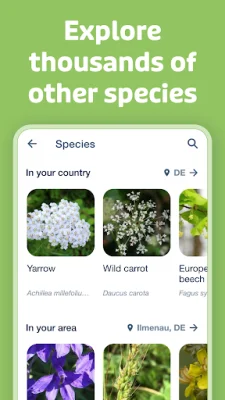
Latest Version
3.9.52
July 28, 2024
Technische Universität Ilmenau
Education
Android
0
Free
com.floraincognita.app.floraincognita
Report a Problem
More About Flora Incognita
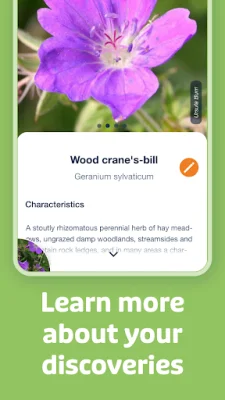
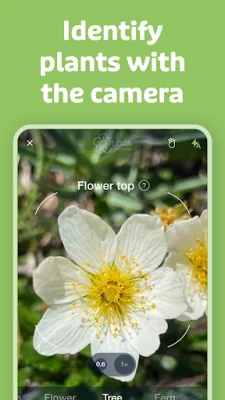
The Flora Incognita app is a useful tool for anyone interested in wild plants. With just a photo, the app can identify the plant and provide a fact sheet with all the information you need to know. The app uses advanced algorithms based on artificial intelligence to accurately identify plants, even when they are not in bloom.
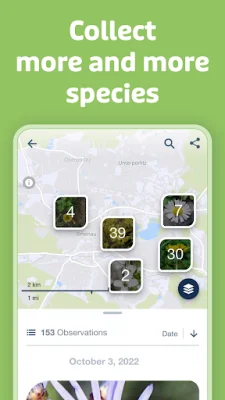
In addition to plant identification, the app also allows you to keep track of all your plant finds in an observation list and view them on a map. This feature not only helps you track your knowledge about wild plants, but also contributes to a larger scientific research project aimed at improving nature conservation.
But the Flora Incognita app is more than just a plant identification tool. It is completely free and ad-free, as it is part of a scientific research project. The data collected through the app is used to answer important research questions about invasive species and the effects of climate change on biotopes.
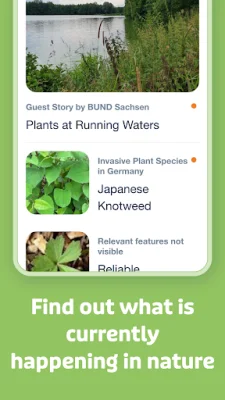
The app also offers regular stories and updates about the project, giving users a deeper understanding of the scientific work being done and keeping them informed about current events in nature.
So why should you use Flora Incognita? Not only does it make identifying plants easy and convenient, but it also allows you to be part of an innovative scientific community. You can even share your findings on social media, making it a fun and interactive experience.
The app boasts an impressive accuracy rate of over 90% thanks to its deep learning algorithms. To ensure the best results, it is recommended to take clear and close-up photos of plant parts such as flowers, leaves, bark, or fruit.
If you want to learn more about the project, you can visit their website or follow them on social media. And yes, the app is completely free and without any advertising. It was developed by scientists from the Technical University of Ilmenau and the Max Planck Institute for Biogeochemistry Jena, with support from various government agencies and organizations. It has even been recognized as an official project of the "UN Decade of Biodiversity" and has won awards for its contributions to nature conservation. So why not give it a try and see how it can enhance your knowledge and appreciation of wild plants?
Rate the App













Popular Apps