

PlantNet Plant Identification
3.19.8 by PlantNet (0 Reviews) July 26, 2024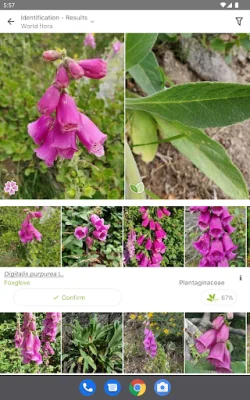
Latest Version
3.19.8
July 26, 2024
PlantNet
Education
Android
0
Free
org.plantnet
Report a Problem
More About PlantNet Plant Identification
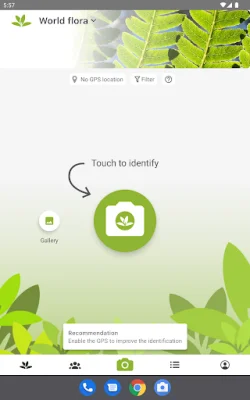
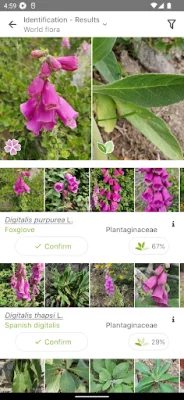
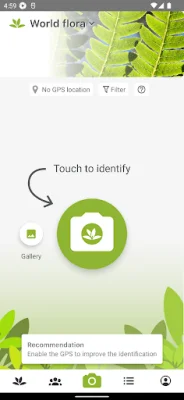
Pl@ntNet is a mobile application that helps users identify and learn about various plants found in nature. It can identify a wide range of plants, including flowering plants, trees, grasses, ferns, and more. While it can also identify cultivated plants, its main purpose is to inventory wild plants, including those found in cities and gardens.
The accuracy of Pl@ntNet's identification relies on the visual information provided by the user. This includes photos of flowers, fruits, leaves, and other distinguishing features such as thorns or hair on the stem. While a photo of the entire plant is helpful, it may not be enough for a reliable identification.
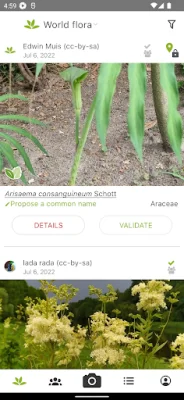
Currently, Pl@ntNet can recognize about 20,000 species, but the goal is to eventually cover all 360,000 species on Earth. This is made possible by the contributions of experienced users, and anyone can contribute their observations to the community for review and potential inclusion in the app's photo gallery.
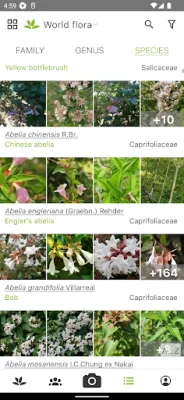
The latest version of Pl@ntNet, released in January 2019, includes several improvements and new features. These include the ability to filter recognized species by genus or family, a differentiated data revision that gives more weight to skilled users, and the option to search for a photographed plant in all floras within the app. Other features include the ability to select favorite floras, navigate through image galleries at different taxonomic levels, map observations, and access links to factsheets.
In addition to the mobile app, Pl@ntNet also has a web version available at https://identify.plantnet.org/. This version allows users to be more creative and SEO-oriented in their plant identification process.
Rate the App















Popular Apps