

Thunderbird: Free Your Inbox
13.0 by Mozilla Thunderbird (0 Reviews) October 29, 2025




Latest Version
13.0
October 29, 2025
Mozilla Thunderbird
Communication
Android
0
Free
net.thunderbird.android
Report a Problem
More About Thunderbird: Free Your Inbox
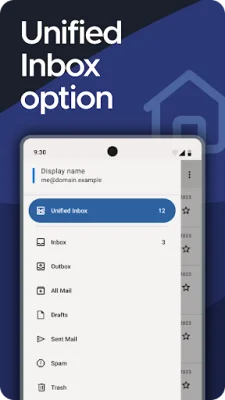
Thunderbird is an all-in-one email application that allows you to streamline your daily tasks by eliminating the need for multiple apps and webmail. With an optional Unified Inbox, you can easily manage all of your emails in one place. The best part? Thunderbird is privacy-friendly and will never collect or sell your personal data. Instead, it directly connects you to your email provider, ensuring your privacy is protected.
For those looking to take their privacy to the next level, Thunderbird offers OpenPGP email encryption through the use of the "OpenKeychain" app. This allows you to encrypt and decrypt your messages, giving you peace of mind that your emails are secure.
With Thunderbird, you have the flexibility to choose how often you want your emails to sync - whether it's instantly, at set intervals, or on-demand. This customizable feature allows you to manage your emails in a way that works best for you.
Thunderbird is compatible with a wide range of email providers, including Gmail, Outlook, Yahoo Mail, and iCloud. It supports both IMAP and POP3 protocols, making it a versatile option for all of your email needs.
There are many reasons to choose Thunderbird as your go-to email application. Not only has it been a trusted name in email for over 20 years, but it is also fully funded by voluntary contributions from users. This means that your personal data is never collected or used for profit. Additionally, Thunderbird is constantly working to improve efficiency, allowing you to spend minimal time using the app while getting maximum results.
Thunderbird is also an open-source application, meaning its code is available for anyone to see, modify, and share freely. This ensures that the app will always be free and accessible to all users. With a global community of contributors, Thunderbird has been translated into over 20 languages, making it accessible to users all over the world. And with regular updates and transparent development, you can trust that Thunderbird is constantly working to improve and meet the needs of its users.
Rate the App















Popular Apps